
White wine represents one of the most diverse and most precise categories in the world of wine. Its character develops through a carefully guided process that begins in the vineyard and continues in the cellar through clear technological decisions. After harvest the grapes are immediately pressed in order to obtain juice that ferments without prolonged contact with the grape skins. In this way the purity of color and the clarity of aromatic expression are preserved. Fermentation most often takes place under controlled conditions, mainly in stainless steel tanks, while in certain styles oak barrels are also used as a means of shaping additional structure. White wines are recognized by shades that range from pale yellow to golden yellow, while the aromatic profile includes notes of citrus, apple, stone fruit and tropical fruit, often accompanied by floral and mineral tones. This combination gives the wines freshness, clarity, and a distinctive balance.
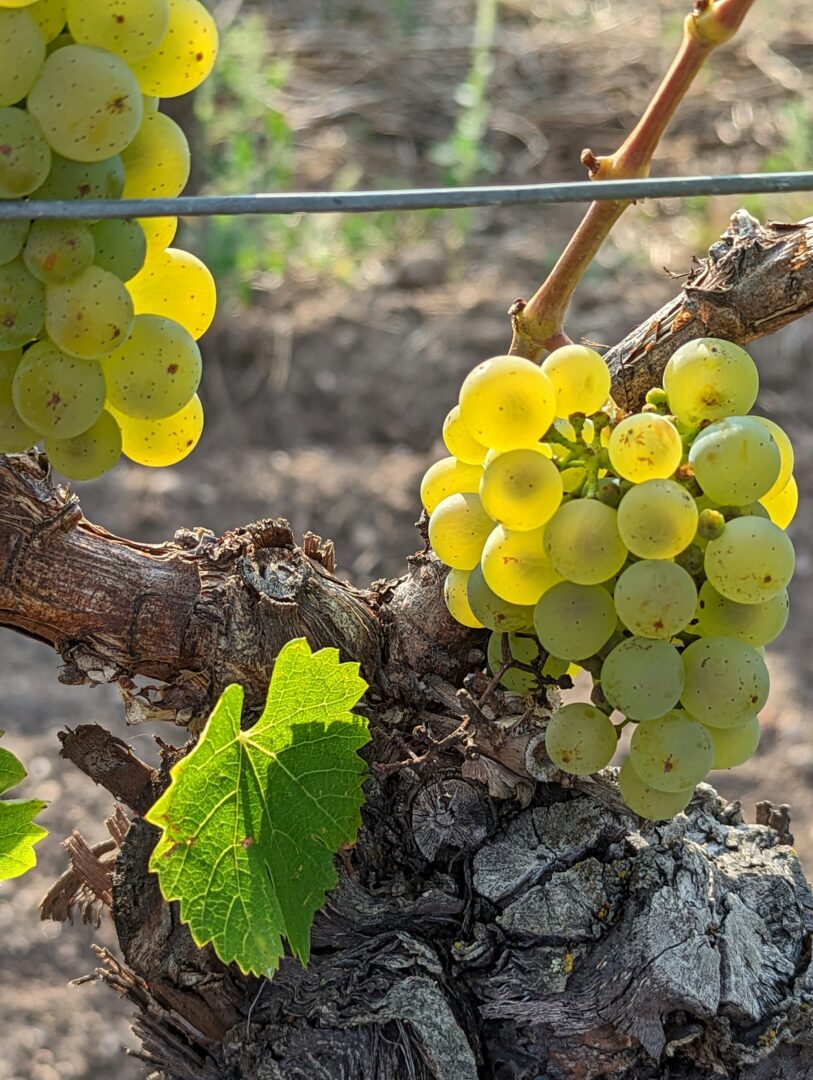
The diversity of white wines arises from the large number of grape varieties and styles cultivated around the world.
Chardonnay holds a special place because of its ability to faithfully convey the influence of climate, soil, and the winemaking approach. In cooler regions it develops subtle fruit aromas and pronounced minerality, while in warmer conditions it shows fuller structure and riper fruit notes. Sauvignon Blanc brings expressive aromatics with an emphasis on citrus and herbal tones, while Riesling combines high acidity with clearly defined aromas. The final expression of the wine is strongly influenced by fermentation and aging. Methods such as aging on fine lees enrich texture and aromatic depth, introducing notes of fresh bread crust and nuts,
while primary varietal aromas remain in the foreground. Such an approach allows white wines to be layered, balanced, and long lasting on the palate.
The Balkans have a long and diverse tradition of white wine production, relying both on indigenous grape varieties and internationally recognized vines. Varieties such as Tamjanika, Smederevka, and Grašac produce wines with a clear regional signature, often driven by freshness and a recognizable aromatic identity. The wine regions of Serbia, North Macedonia, and Croatia offer different styles of white wines, from light and aromatic expressions to more serious and structurally complex examples. Contemporary winemakers of this region increasingly combine traditional knowledge with modern technology, with particular attention given to fermentation control and the preservation of varietal characteristics. Chardonnay has proven to be highly adaptable in this part of Europe, producing wines that retain international recognition while clearly reflecting local conditions and the sensibility of the winemaker.
vinara.
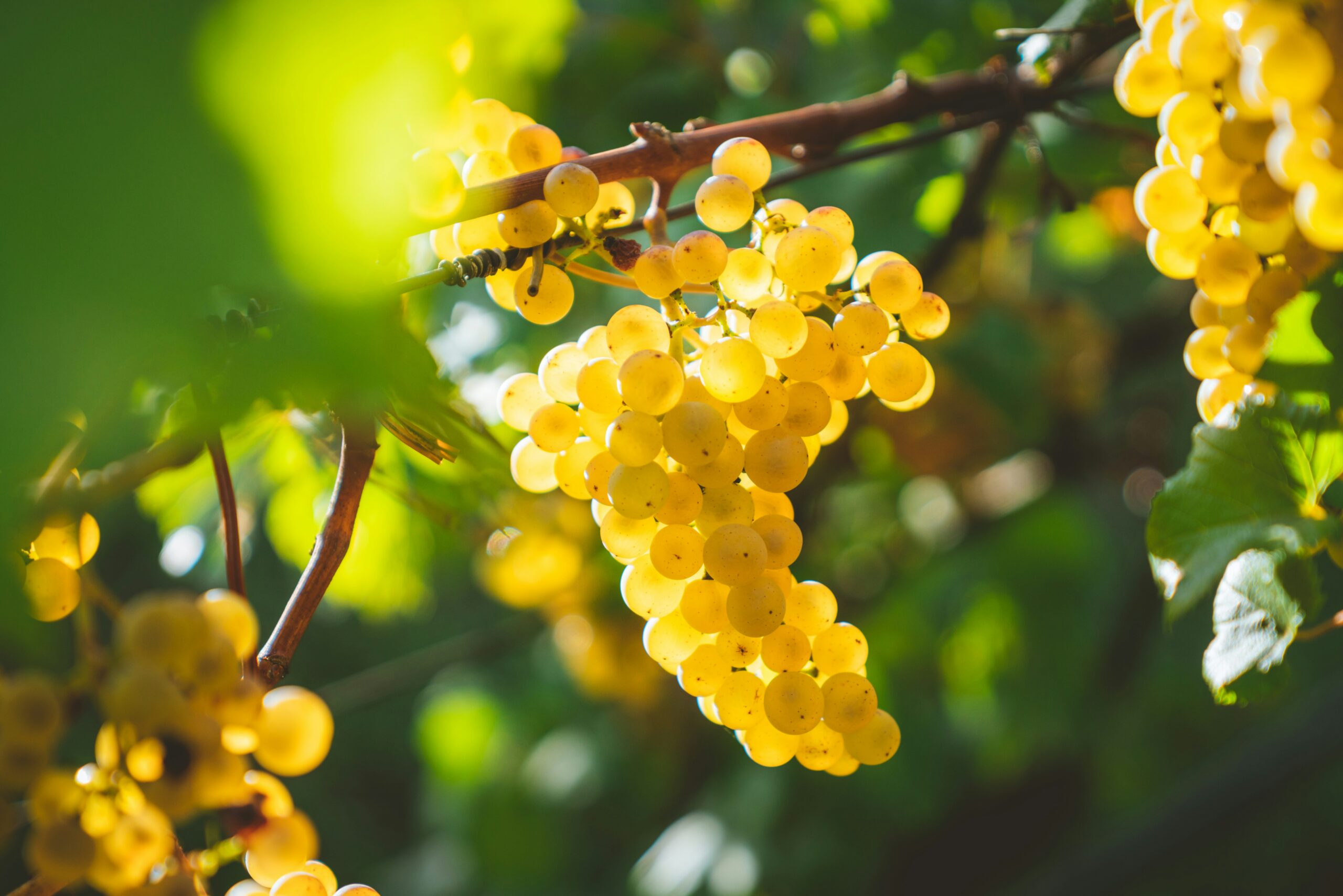
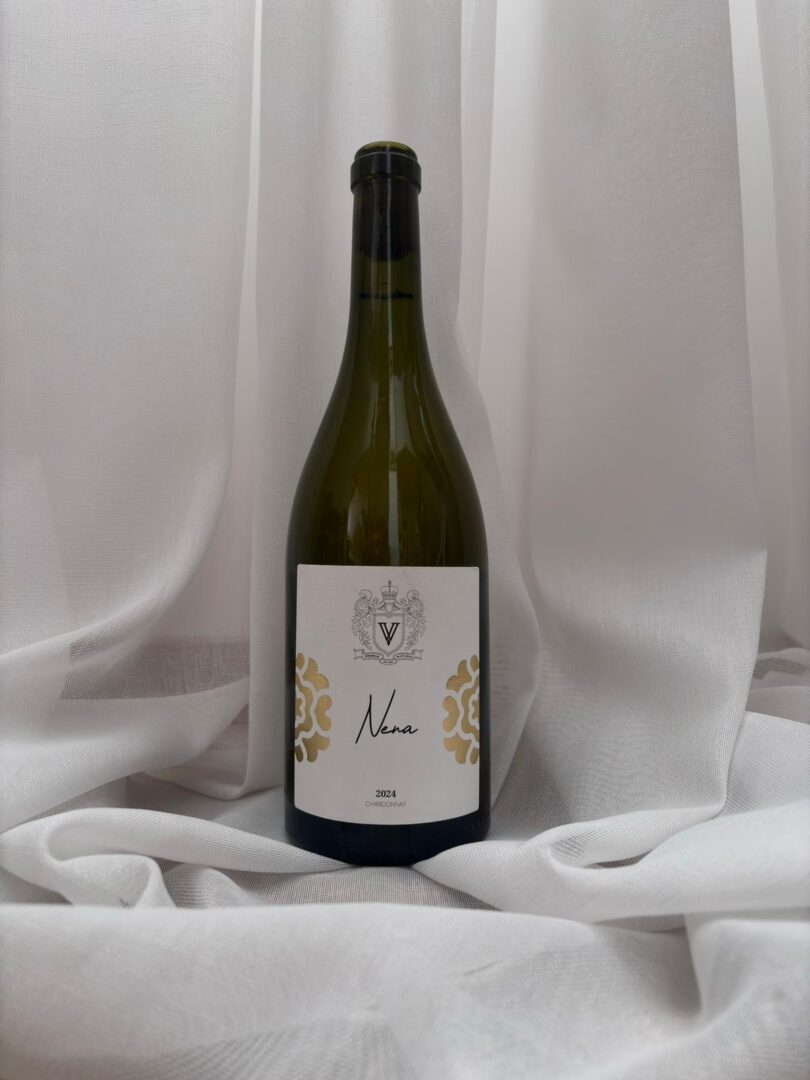
The wine Nena represents a thoughtfully crafted example of white wine with a clear focus on purity of expression and precise structure. In the glass it appears yellow with a pale golden reflection along the rim, indicating careful vinification and well ripened fruit. The aroma reveals primary fruit notes of pineapple, green apple, and vineyard peach, accompanied by floral and citrus tones of white rose and lemongrass, while a discreet herbal hint of mint and immortelle adds complexity. After fermentation the wine aged on its own yeasts using the sur lie method, which developed aromas of fresh bread crust and nuts together with a rounded and persistent texture. On the palate juicy fruit flavors of apple and tropical fruit dominate, while the finish brings a subtle bitterness of grapefruit that refreshes the palate and prolongs the impression. Aging for six months in stainless steel tanks preserved the natural freshness and fruit character, highlighting primary varietal aromas and the clean, vibrant character of the wine without the influence of oak.
Vilotijević Winery, through the wine Nena, demonstrates a commitment to precise enology and a clear vision of white wines that rely on balance, purity, and varietal expression.

© 2026 Vinarija Vilotijević. Sva prava zadržana.